Introduction:
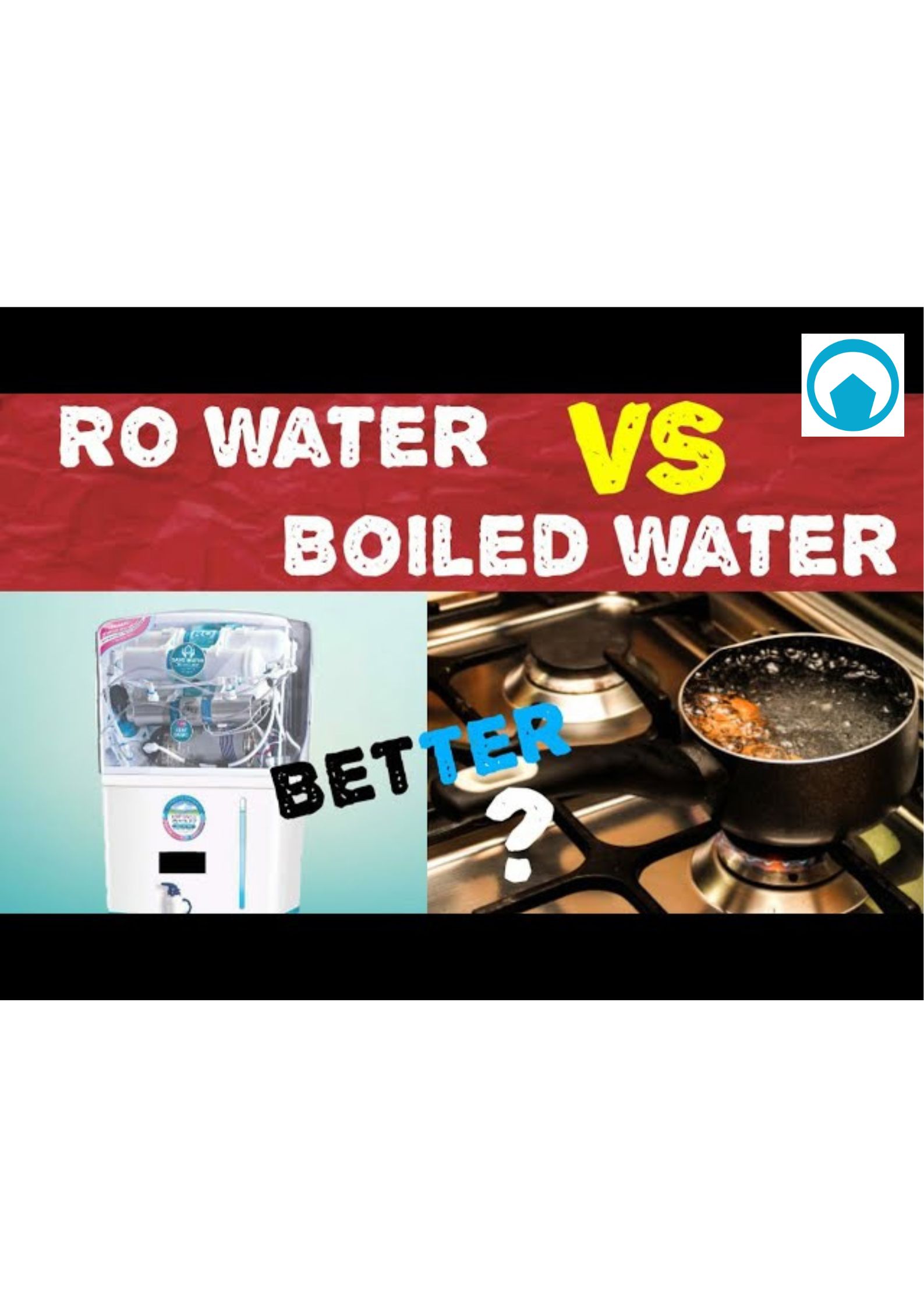
When it comes to choosing the best drinking water for our health, the options can be overwhelming. Two popular choices are reverse osmosis (RO) water and boiled water.
RO Water: Purification at Its Best Reverse osmosis (RO) is a water purification process that removes impurities, contaminants, and minerals by passing water through a semipermeable membrane.
Here are some points to consider about RO water:
Effective Contaminant Removal: RO systems are highly efficient at eliminating various contaminants, including heavy metals, chemicals, pesticides, and bacteria. This ensures that the water you drink is free from harmful substances and has improved taste and odor.
Mineral Reduction: One of the concerns with RO water is that it removes minerals during the filtration process, which can affect your daily mineral intake. However, it's important to note that minerals are primarily obtained from a well-balanced diet rather than water, and the impact of RO water on overall mineral intake is generally minimal.
Convenience and Accessibility: RO systems provide a convenient and accessible way to obtain purified water at home. You can have a dedicated faucet for RO water, ensuring a constant supply of clean drinking water without the need to boil water every time.
Boiled Water: Simplicity and Safety Boiling water is a traditional method of water purification that has been used for centuries. Here are some considerations regarding boiled water: Pathogen Elimination: Boiling water kills most microorganisms, including bacteria, viruses, and parasites, making it safe to drink. This is particularly important in areas where waterborne diseases are prevalent or during situations where access to clean water is limited.
Retains Minerals: Unlike RO water, boiled water retains the minerals present in the water. While the mineral content is not significantly increased, it helps maintain a natural balance of minerals, contributing to their intake.
Time and Energy Consumption: Boiling water requires time and energy to reach the boiling point and cool down before consumption. This can be inconvenient for individuals seeking a quick and readily available drinking water option.
Conclusion:
Choosing between RO water and boiled water depends on your specific needs and circumstances. If you prioritize effective removal of contaminants and have a reliable RO system, it can provide you with clean and safe drinking water. On the other hand, boiling water is a simple and traditional method that effectively eliminates pathogens while retaining minerals. If you live in an area with uncertain water quality or have limited access to clean water, boiling water can be a practical option. Ultimately, the decision should be based on the quality of your water source, convenience, and personal preferences. Remember to prioritize safe drinking water and consider consulting local health authorities for specific recommendations in your area.