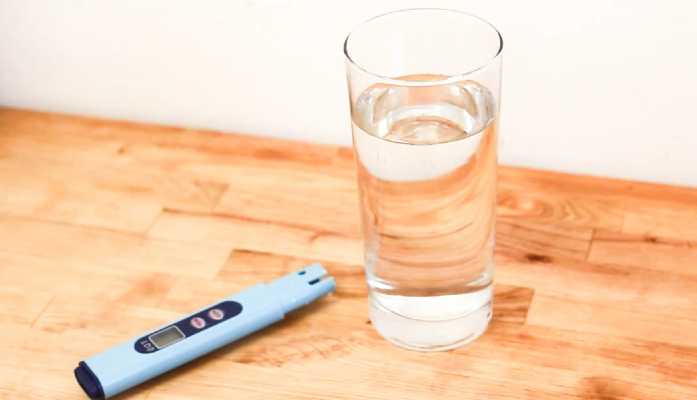
Water is believed to be a universal solvent due to its ability to dissolve and soak molecules from various substances. The total number of dissolved particles in a percentage of water is called total dissolved solids (TDS). These total dissolved solids or TDS can be organic or inorganic. A measurement of the TDS level and the type of total dissolved solids present in the water illustrates a picture of the quality of your drinking water.
RO Service Mumbai | RO Service Delhi | RO Service Kolkata
What is the Total Dissolved Solid (TDS) in water?
Total Dissolved Solid is the measure of the organic or inorganic material such as salts, ions, minerals, and metals dissolved in a particular volume of water. The total weight of that salt or ion comes out after the water is filtered or evaporated. It is measured in mg/l, which is coequal to part per million or ppm.
“The lesser the number of TDS, the purer will be your water.”
TDS in your drinking water can come from any source such as natural water spring, chemicals used to purify municipal water supply, overflow from roads or yards, and your home plumbing system.
How to reduce TDS in water?
Various water treatment systems successfully reduce or remove TDS from water, especially if the TDS level is 500 ppm or more. There are numerous helpful filtering methods based on the type of TDS in your water, but reverse osmosis systems, water distillers, and deionization is comprehensive systems that can reduce the bulk of total dissolved solids.
1. Reverse Osmosis
Reverse Osmosis is an applied and proven method to reduce TDS levels in the water. Reverse Osmosis is one of the most widely used water filtration methods that filter out all contaminants dissolved in water.
The disadvantage of Reverse Osmosis is that you will need a large amount of water to operate this filtration method, which depletes all essential minerals from water.
Note:If you plan to purchase a RO because there is a need for it in your area. Always include a TDS controller with your RO purifier to ensure that it preserves essential minerals and delivers drinkable water.
2. Using Herbal Plant mixture
You can use herbal plant mixtures that work efficiently to reduce dissolved solids in wastewater.
This mixture includes neem leaves, vetiver roots, tulsi leaves, and lemon peels.
Note:You must wash these ingredients using formaldehyde and acid-alkaline to remove dirt and impurity.
3. Distillation of water
In the distillation process, you must boil the water and condense the steam into liquid in a fresh, pure container. Though TDS cannot be converted to steam, the water transforms into liquid and is devoid of pollutants.
Conclusion
Although a small amount of TDS is not a matter of concern, if the amount is high, you must consider it to purify your water using the method mentioned earlier. All the listed ways are cost-effective and easy to use, which means you can seamlessly have contaminant-free water.
However, the preferable way is to use Reverse Osmosis. You can contact ServiceOnDoors to book an appointment and get your RO water purifier installed, repaired, or maintained immediately without any hassle at your doorstep.